St. Peters Wood Deck Sealing: Best Stains for Missouri's Humid Summers
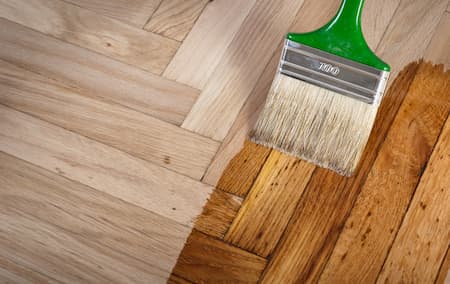
Hot, sticky air settles over St. Peters every summer, especially near the Missouri River basin and neighborhoods around Mid Rivers Mall Drive. That humidity, plus morning dew, soaks into unprotected boards and chews through weak coatings fast. If you want a deck that looks good past one season, start with deck staining that is built for moisture and UV. In this guide, you will see how different stains perform on local cedar and pressure‑treated pine, why penetration matters here, and a quick water‑drop test you can do before you book a crew.
Why Deck Sealing in St. Peters, MO Needs Penetrating Protection
Our area’s mix of steamy afternoons, shaded yards, and frequent pop‑up storms is tough on finishes. Deck boards near irrigation, planters, or creek corridors like Spencer Creek and Dardenne Creek stay damp longer. Film‑forming products trap moisture and tend to peel once water pushes back from inside the wood.
Choose deep‑penetrating formulas that soak into the wood fibers. These breathe with the board, shed water, and resist mildew better in high humidity. The result is less blotchy fading and far fewer surprise peel spots next July.
Best Stain Types for Cedar and Pressure‑Treated Decks
Cedar and pressure‑treated pine are common across St. Peters, from older decks off Mexico Road to new builds closer to Route 364. Each wood type has its quirks, and stain choice affects how long the finish lasts.
Transparent Stains (And Toners)
- Look: light tint; grain shows clearly.
- Where they fit: newer cedar with even color, low‑shade areas.
- Performance note: least UV pigment. On south‑ or west‑facing boards they can fade quickest and need more frequent maintenance coats.
Semi‑Transparent Stains
- Look: richer color while the grain still shows.
- Where they fit: most St. Peters decks, including pressure‑treated pine and weathered cedar.
- Performance note: good balance of pigment and penetration for humid summers. Less prone to peel because they cure inside the wood, not as a thick film on top.
Solid Color Stains
These hide grain and act more like thin paint. They can help even out boards that vary in age or color, like older decks in heavy shade. They offer strong UV cover, but on horizontal surfaces they are more likely to chip and peel when trapped moisture pushes outward. If you pick a solid, plan a steady maintenance schedule and expect more prep on the next refresh.
Cedar vs. Pressure‑Treated: What Changes in St. Peters
Cedar’s natural oils repel water, but once the surface weathers, humidity slips in fast. A semi‑transparent oil that penetrates deeply helps keep cedar from graying and splitting. Pressure‑treated pine has wider grain and more movement; it benefits from penetrating stains that flex and don’t build a brittle shell on top.
Shaded decks near tree lines or along low spots will see more mildew. Look for stains rated for mildew resistance and plan gentle cleanings so spores do not get a foothold by Labor Day.
How to Tell if Your Current Sealer Has Failed
Before you schedule a crew, try a quick water‑droplet splash test on a dry day.
- Pick a few spots: a rail cap, a high‑traffic board, and a shaded corner.
- Make sure the wood is dry. Do not test right after rain or a power wash.
- Sprinkle a tablespoon of clean water on each spot.
- Watch for 10–30 seconds.
- Check results in sun and shade; note differences.
Result A: water beads and glides around. Your sealer is still working in that area. Keep an eye on high‑traffic paths from the back door to the grill; they fail first.
Result B: water soaks in and the wood darkens quickly. The finish has broken down. Schedule a restain before summer storms or leaf season drive more moisture into the boards.
Local Factors That Shorten Stain Lifespan
Sun and orientation: west‑facing decks along Mid Rivers Mall Drive and in open backyards take harder UV. They need more pigment and periodic touch‑ups on rail caps and stair treads.
Moisture sources: overspray from sprinklers, planters without saucers, and ground‑level deck bays trap humidity. Move pots a few inches off the surface and redirect sprinkler heads away from railings and steps.
Trees and pollen: shaded corners near oaks or maples are prime for algae. Gentle cleanings reduce slick spots and keep mildew from staining the finish.
Color Direction That Works With St. Peters Homes
Brick fronts around Spencer Creek neighborhoods often look sharp with warm mid‑browns that echo the brick tone. Lighter cedar tints stay cooler underfoot on south decks. If your exterior is freshly updated, coordinate trims and rails with a complementary tone. You can scan options and pair them with a future exterior painting plan for a unified curb appeal.
When to Schedule Professional Deck Staining
Spring and early fall are ideal because temps and dew points are moderate. Summer projects succeed too when planned around dry stretches. After a thunderstorm, give boards time to dry through, especially beneath furniture and planters where water lingers.
If your splash test shows mixed results, you might not need a full strip across the entire deck. A pro can target high‑wear zones and blend color so the deck reads as one surface in normal light, then plan a full maintenance coat on the next cycle.
Why Partner With a Local Painting Crew
Prep and product choice decide whether a finish lasts through St. Peters humidity. A local crew reads sun patterns, drainage, and shade in your yard, then matches a penetrating formula to your wood species. You also get a tidy process, protected landscaping, and a clear plan for future cleaning so your stain keeps beading water when July heat rolls in.
Ready for a finish that holds up to our climate? See how Selah Painting approaches deck staining that resists moisture, fading, and premature peeling.
Your Next Step
If the splash test showed soaking or darkening, it is time to act. Start with a quick conversation and a plan that fits your deck’s sun, shade, and foot traffic. For homeowners comparing options, you can also explore deck sealing in St. Peters, MO resources on our site to see how stain choice ties into your home’s overall look.
Call Selah Painting at 314-315-4783 and schedule a visit. We will map your deck’s trouble spots, recommend a stain that penetrates and sheds water, and set a maintenance rhythm that matches St. Peters weather. When you are ready, book your date and let our crew handle the details from prep to final walkthrough.